
Uncategorized

Organic Chemistry: Structure Basics Explained for Students
Organic chemistry is the part of science that studies molecules made with atoms. Everything around you is made of tiny building blocks called atoms. When
Organic chemistry is the part of science that studies molecules made with atoms. Everything around you is made of tiny building blocks called atoms. When
You may think that sugar and salt look similar, but chemistry defines them very differently. One is organic, and the other is not. Why? The
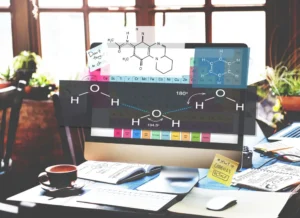
Chemical names like “3-methylbutanoic acid” may seem intimidating at first. Most students see these long complicated names and think they will never understand organic chemistry.
Amino acids are the building blocks of proteins. You have probably seen them on flashcards and memorized their names. But have you ever wondered why
The inductive effect is a fundamental concept in organic chemistry. It explains how some atoms pull electrons through bonds and how this changes the behavior
Staring at your organic chemistry textbook, feeling like you’re lost in a confusion of reactions and mechanisms? It’s a common struggle. Many students struggle to
When you stir sugar into your tea, there comes a point when it simply won’t dissolve anymore, no matter how much you stir. That’s a
Every organic molecule starts with one core element: carbon. But not all carbons function in the same manner. Some atoms connect to just one other
Did you know the modern periodic table in chemistry organizes 118 known elements using a structure that dates back over 150 years? First introduced by Dmitri Mendeleev in
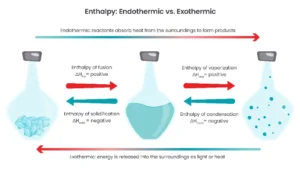
Have you ever touched an ice pack and felt a sudden chill or watched a flame grow from a simple spark? Both of these experiences